The room
Setting up a bedroom that wants you asleep
Temperature, light, sound and the clock: the four things the room itself controls.
5 minSource: Narrated
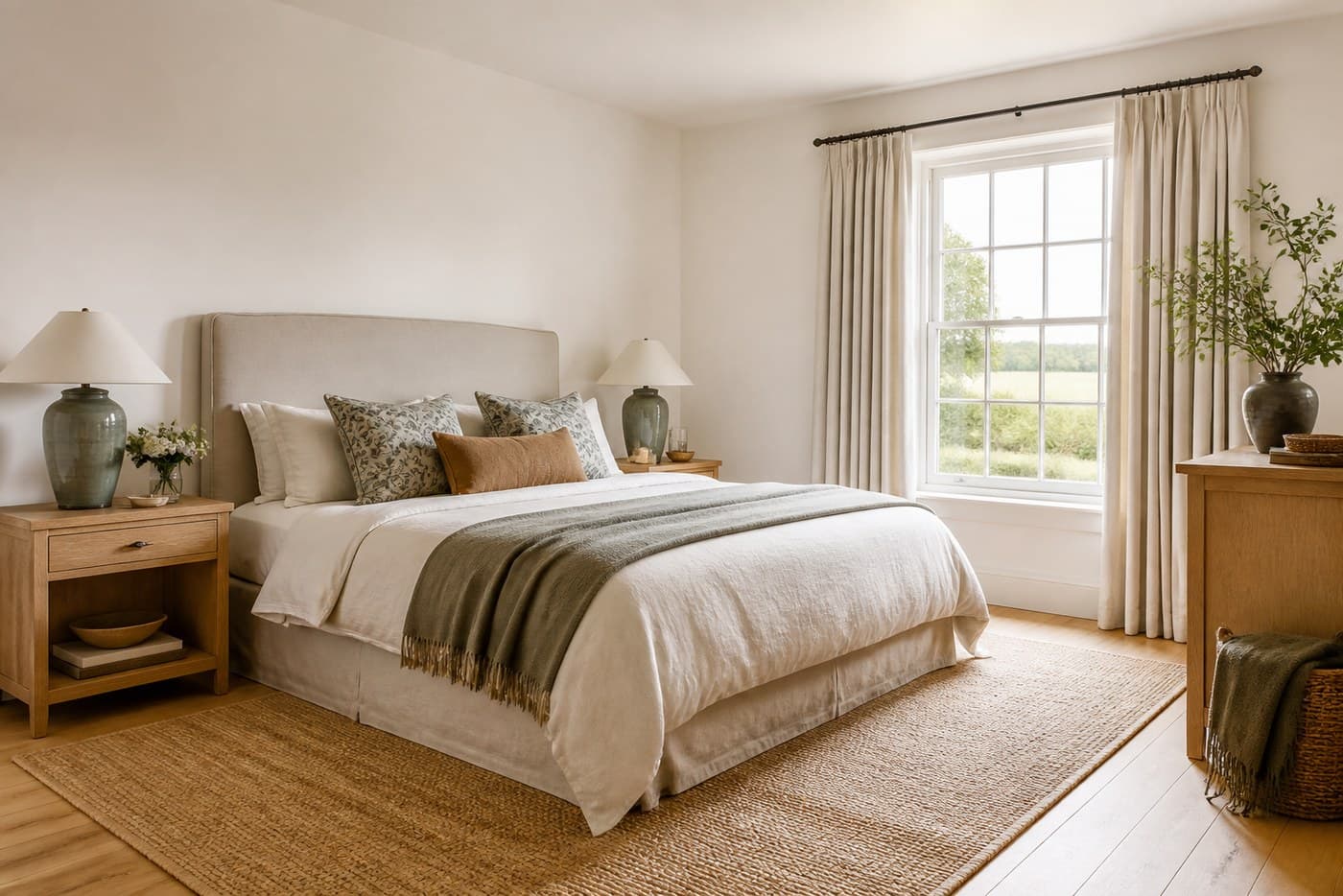
The four levers the room owns
Cooler than feels natural: around 16 to 18 degrees Celsius is where sleep research keeps landing. The overnight drop in body temperature is part of how deep sleep happens, and a warm room fights it.
Darker than feels necessary. Even small light reaches the body clock through closed eyelids. Blackout curtains or a soft eye mask are the cheapest upgrades in the whole subject.
Quiet, or consistently noisy. A steady fan or white noise flattens the sudden sounds that wake you, which matters more in light perimenopausal sleep.
The clock turned away. Seeing 3:12 starts arithmetic, and arithmetic is alerting. This one costs nothing.
For hot nights
Layers beat one heavy duvet: a sheet plus a light blanket lets you shed heat in seconds without waking fully.
Natural fibres for sheets and nightwear breathe better than synthetics through night sweats.
A glass of cold water within reach turns a hot waking into a shorter one.
Sleep is where memory consolidates and mood resets. It compounds further than almost anything else here.
General information, not medical advice. Narrated never diagnoses.
More in Narrated Sleep

A ten-minute wind-down that ends the day
A short, repeatable sequence that tells your body the day is finished.
10 min · Narrated
When you wake at 3am
What tends to help when you are awake in the middle of the night and cannot get back down.
4 min · Narrated
Keeping the night cooler
The practical changes women most often say made night sweats more manageable.
3 min · Narrated
Get the weekly letter
One useful email a week on perimenopause and menopause. What the studies say, in plain words. Free.
Or find out what is happening to you, free, in two minutes.